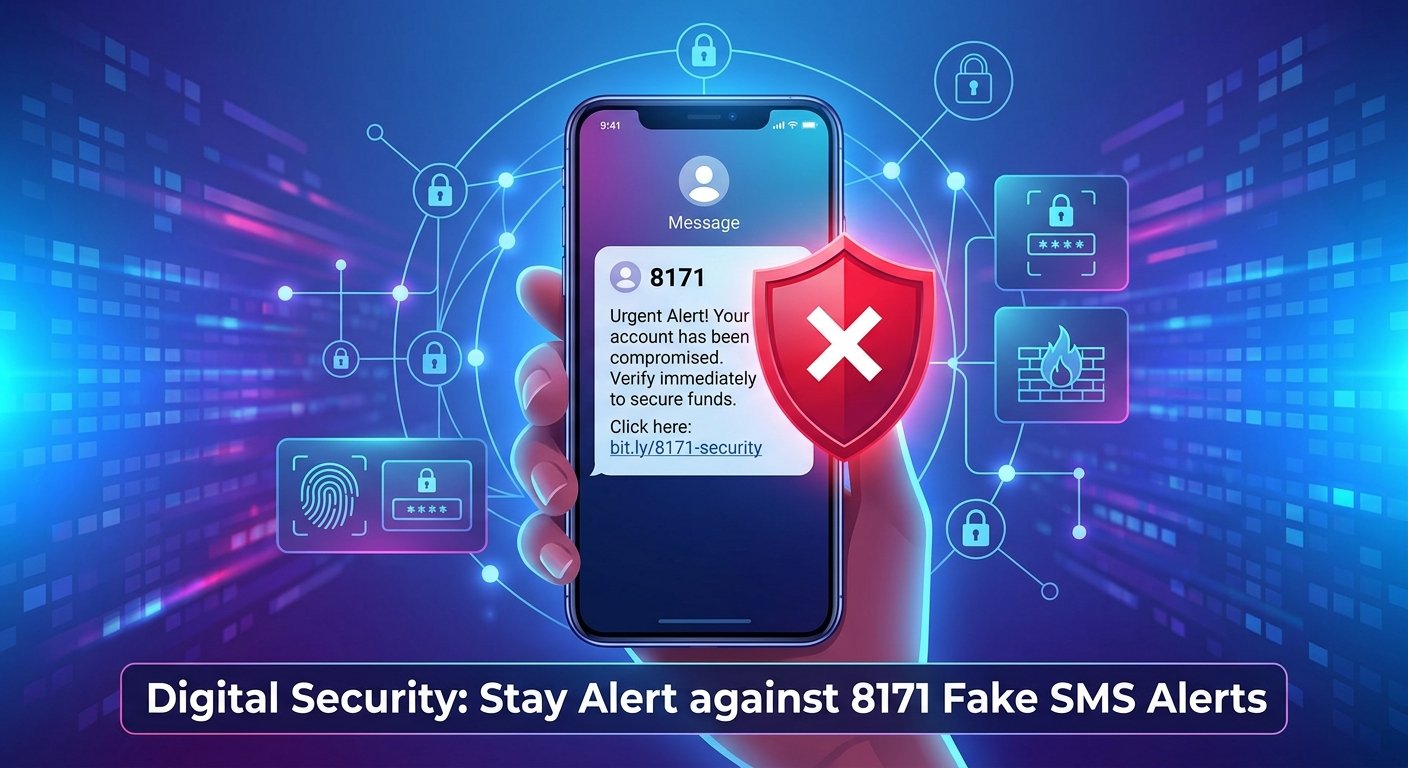
8171 Fake SMS Alert
Received a fake 8171 BISP message asking for money or fees? Learn how to spot fake SMS alerts, verify eligibility safely, and report scammers to PTA and FIA instantly. Every single day, thousands of Pakistanis receive a notification chime on their mobile phones, only to read a message stating that Rs. 10,500 or Rs. 25,000 from the BISP or Ehsaas Program has been credited to their account. If you have ever received an SMS claiming your welfare money is ready for pickup from an unknown 11-digit mobile number, stop right there. You are looking at a classic digital trap designed to empty your bank balance or steal your identity. In recent months, scam networks have used aggressive tactics. They replicate official government alerts down to the phrasing, leveraging the trust of vulnerable citizens. Understanding how to instantly spot an 8171 fake SMS alert and knowing the exact technical steps to report and block these scammers can save you and your family from major financial loss.
Understanding the 8171 Fake SMS Trap: How Scammers Operate
To protect yourself, you must first understand the mechanics of this digital fraud. Scammers do not possess access to the government’s central database. Instead, they rely on social engineering—manipulating fear, excitement, and urgency to make you take hasty actions.
How Scammers Impersonate the Official 8171 System
Scammers purchase bulk prepaid SIM cards using illegal or fraudulent biometric registrations. They draft generic SMS templates mimicking official BISP communication, inserting fake transaction IDs and phone numbers to call back.
The biggest red flag is always the sender ID. Official notifications from the Benazir Income Support Programme only originate from the short code 8171. If a message comes from an 11-digit mobile number (e.g., 0300-XXXXXXX or 0345-XXXXXXX), it is 100% fake—regardless of what the text says inside.
Common Tactics Used in BISP Fraud Messages
Scammers leverage specific emotional triggers to trick recipients:
- Artificial Urgency: Demanding you call back within 24 hours or risk losing your aid payment permanently.
- Advance Fee Fraud: Requesting a small “processing fee,” “registration tax,” or “JazzCash / EasyPaisa transfer” before releasing your lump sum amount.
- OTP Harvesting: Asking you to read back a multi-digit code sent to your phone, which is actually a password reset PIN for your personal mobile wallet.
Immediate Action Plan: What To Do When You Receive a Fake SMS
If a suspicious 8171 message lands in your inbox, following a clear, step-by-step reaction protocol prevents identity theft and financial compromise.
Step 1: Do Not Call the Given Number or Share OTPs
Never dial the phone number provided inside the SMS text body. Doing so connects you directly to organized scam operators trained to sound authoritative, calm, and official.
Crucially, never share any One-Time Password (OTP), CNIC copy, or banking details over a phone call. Official government representatives will never ask for your private financial credentials or mobile wallet PINs.
Step 2: Verify Your Eligibility via Official Channels
If you are genuinely expecting aid from the government welfare scheme, verify your status through authorized portals only:
Checking Status via Official 8171 Web Portal
- Open your web browser and visit the official website: 8171.bisp.gov.pk.
- Enter your 13-digit CNIC number without dashes.
- Complete the security captcha code shown on the screen.
- Click Submit to view your real-time eligibility and payment history directly from the official database.
Verifying via Official 8171 Short Code
- Open your mobile messaging app.
- Type your 13-digit CNIC number.
- Send the SMS strictly to 8171.
- Wait for an authentic system response detailing your status.
How to Report Fake 8171 Messages to Authorities
Filing a formal complaint does not just protect your phone; it helps law enforcement authorities shut down illegal gateway numbers and track criminal syndicates operating across the country.
Reporting Scammers to PTA (Pakistan Telecommunication Authority)
PTA provides dedicated channels to block fraudulent numbers across all cellular networks (Jazz, Telenor, Zong, Ufone).
Method 1: Reporting via Short Code 9100
- Forward the complete fake message along with the scammer’s number directly to 9100.
Method 2: Registering a Complaint via PTA Management System (CMS)
- Download the PTA CMS App or visit cms.pta.gov.pk.
- Select Unsolicited / Fraudulent / Obscene Messages.
- Upload a screenshot of the fake text message showing the sender’s full phone number.
- Submit the complaint to initiate automatic carrier blocking.
Lodging a Cybercrime Complaint with FIA (National Cyber Crime Investigation Agency – NCCIA)
For severe cases involving financial extortion or identity fraud, file a complaint directly with the Cyber Crime Wing:
- Call the toll-free FIA helpline at 1991.
- File an online complaint at complaint.ncip.gov.pk.
- Visit the nearest FIA Cyber Crime Reporting Center with printed screenshots of the text messages and call history.
People Also Ask (PAA): Essential FAQs
How can I distinguish between an official 8171 message and a fake message?
An official BISP notification arrives strictly from the short code 8171 as the sender name/number. Fake messages come from standard 11-digit mobile numbers (e.g., 03XXXXXXXXX) and usually prompt you to call another number or transfer money.
Does BISP charge any fee for releasing 8171 scheme payments?
No. The Benazir Income Support Programme does not charge any processing fees, registration charges, or agent commissions. The complete balance is disbursed directly without deductions at designated campsites or partner bank ATMs.
What should I do if I accidentally shared my details with a fake 8171 scammer?
Immediately contact your mobile wallet provider (JazzCash, EasyPaisa) or bank helpline to block your financial accounts. Change your account PINs right away and lodge an official complaint on the PTA CMS portal or FIA helpline (1991).
Can scammers steal money just by sending an SMS?
Simply receiving or reading a fake SMS cannot compromise your mobile phone or deduct balance. However, calling the scammer back, clicking unknown links inside the text, or sharing OTPs gives them access to drain your accounts.
How do I block illegal fake numbers permanently on my phone?
Use your smartphone’s native call-and-message blocking feature by tapping on the sender details and selecting Block / Report Spam. Additionally, install reputable caller identification apps to automatically flag known fraud numbers.
Conclusion
Digital financial inclusion has brought immense convenience, but it also demands vigilance. An 8171 fake SMS alert relies entirely on misplaced trust and panic. By remembering one simple rule—official communication comes only from 8171, never from private 11-digit numbers—you eliminate 99% of fraud risks instantly. Always verify CNIC details via official portals, refuse to pay arbitrary processing fees, and report fraudulent numbers to the PTA and FIA without delay. Share this knowledge with community members and relatives to keep everyone protected against digital fraud.