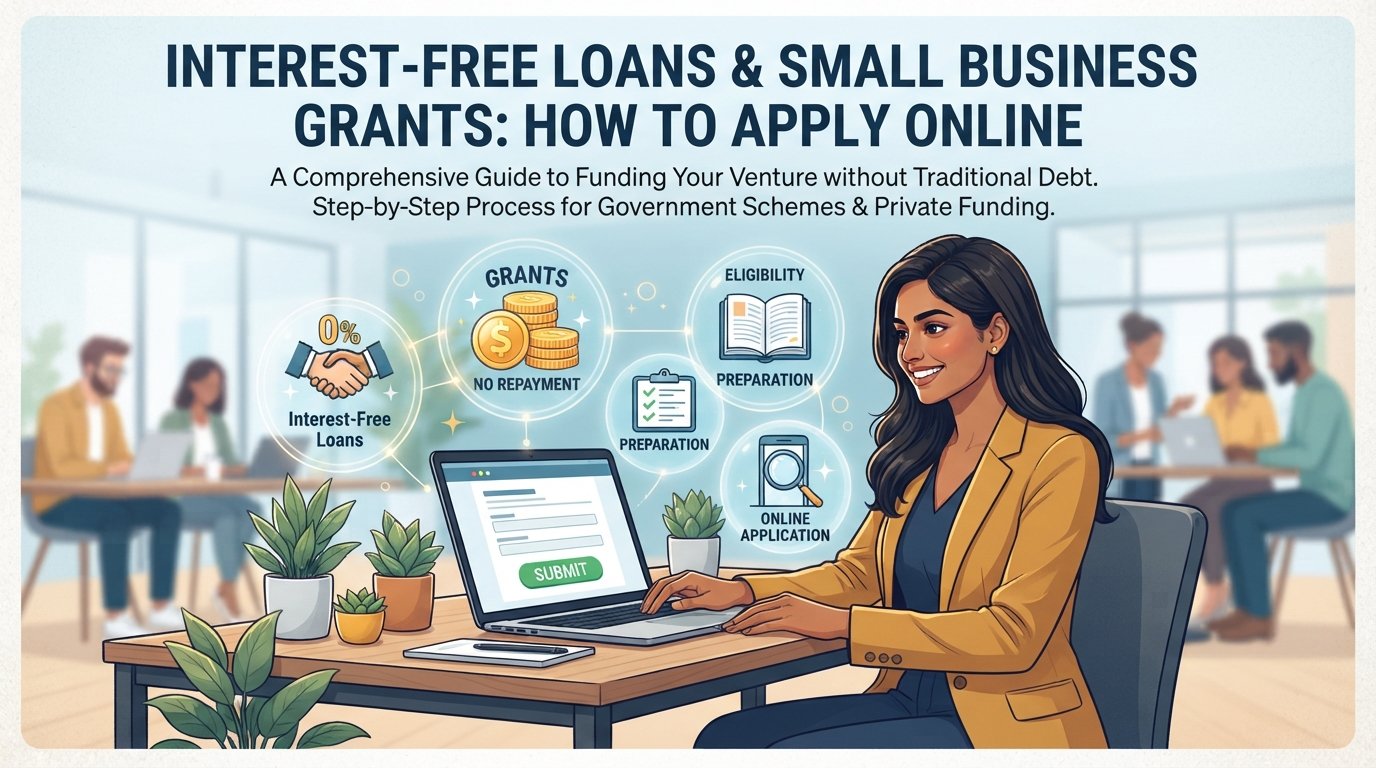
Interest-Free Loans and Small Business Grants
Discover how to apply online for interest-free loans and small business grants. Follow our expert guide, boost approval odds, and fund your business. Starting or scaling a small business often hits the exact same wall: capital. Whether you are buying inventory for a local storefront or launching a digital service, traditional bank loans demand high credit scores and painful interest rates that can choke a new venture before it even breathes. Fortunately, alternative funding models exist. Interest-free loans and small business grants provide a lifeline, offering capital that you do not have to pay back with crushing compounding interest—or in the case of grants, do not have to pay back at all.
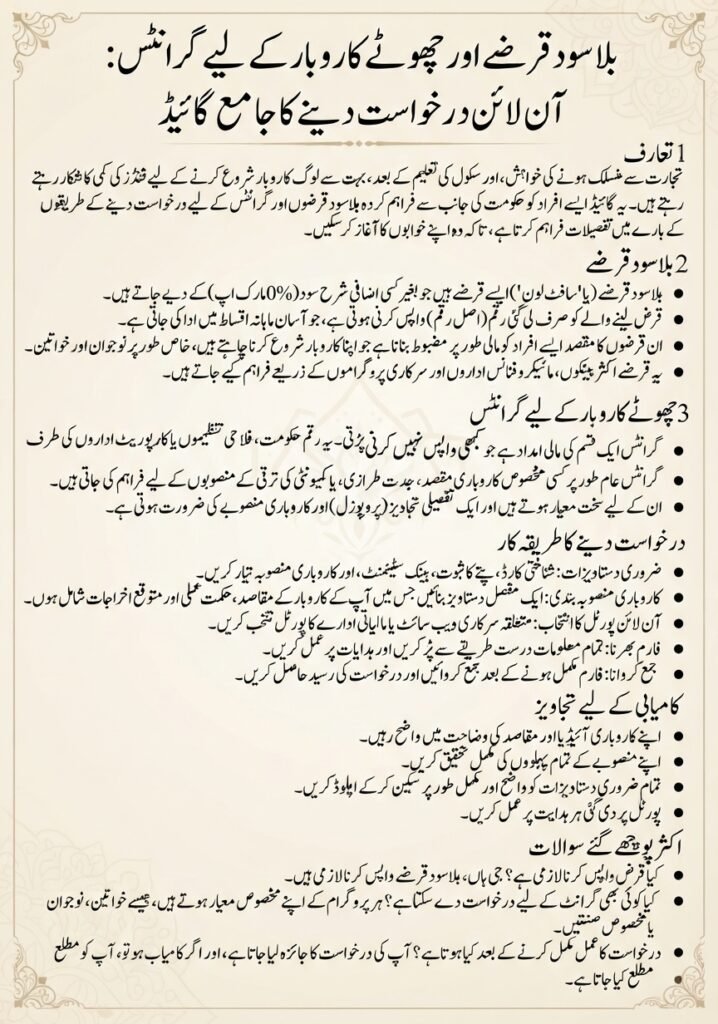
Understanding the Landscape of Non-Traditional Business Funding
Funding a business without a traditional commercial loan requires a shift in perspective. Many entrepreneurs assume free money or zero-cost borrowing is a myth, but governments, welfare agencies, and philanthropic foundations allocate billions annually to stimulate grassroots economic growth.
What Sets Grants Apart from Interest-Free Loans
Grants are essentially financial gifts given by government bodies, corporations, or trusts to support specific business activities. You never repay a grant, but the trade-off is intense competition and rigorous reporting requirements.
Interest-free loans, often referred to as soft loans or microloans, require full repayment of the principal amount, but they carry a 0% markup. This means every dollar earned goes straight back into your cash flow rather than servicing debt.
Why Funding Agencies Offer Zero-Cost Capital
Economic development agencies do not hand out money out of pure charity. Their core objective is job creation, poverty alleviation, and community revitalization. When an entrepreneur succeeds locally, they hire staff, pay taxes, and boost local supply chains.
Expert Insight: Funding committees look for sustainable business models that solve a clear community or market problem. Your application must emphasize local economic impact alongside profitability.
Identifying Available Schemes and Eligibility Criteria
Before you type a single word into an online application portal, you need to match your business profile with the right program. Broad applications almost always get rejected.
Government vs. Private Sector Programs
Government-backed schemes usually target specific demographics, such as youth entrepreneurs, women-led startups, or low-income business owners. Private grants and interest-free microfinance initiatives often focus on innovation, green energy, or technology adoption.
Core Eligibility Checklists
Most online application portals evaluate applicants using a standard set of preliminary filters:
- Business Registration: Valid national identity documents and registered business papers (or a clear startup proposal if you are pre-revenue).
- Financial Need: Proof that traditional bank financing is inaccessible or financially prohibitive for your current stage.
- Geographical Scope: Residency or operational footprint within the specific district, province, or country covered by the funding body.
Step-by-Step Guide: How to Apply Online Without Getting Rejected
Navigating an online portal can feel like sending documents into a black hole. Most rejections happen not because the business idea is weak, but because applicants skip basic instructions or submit incomplete paperwork.
- Step 1: Digitize and Prepare Your Documentation — Keep digital copies (PDF or high-resolution JPEG) of your identity card, utility bills for address verification, tax registration certificates, and a detailed project cost breakdown. Blurry scans or mismatched names on documents trigger instant automated rejections.
- Step 2: Craft a Compelling Business Plan and Budget — Never leave the “Use of Funds” section vague. Instead of writing “for business growth,” write “purchase 50 units of raw textile material at $10 per unit to fulfill pending local market orders.” Granular detail builds trust with the review committee.
- Step 3: Submit Through Official Verified Portals — Only use official government or certified microfinance institution websites ending in recognized domains (like .gov or verified organizational portals). Double-check URL authenticity to avoid phishing scams targeting eager entrepreneurs.
How to Optimize Your Proposal for Maximum Approval Odds
Review committees skim hundreds of applications a day. To stand out, your submission needs to balance financial realism with a clear narrative.
Why Do Most Small Business Loan Applications Fail?
- Unrealistic financial projections claiming overnight explosive growth without backing data.
- Incomplete forms, such as leaving mandatory fields blank or uploading expired identification documents.
- Mismatched objectives, like applying for an agricultural grant with a retail e-commerce proposal.
The Power of Clarity and Proof of Concept
If your business has already made a few sales, highlight that traction immediately. Show customer testimonials, photos of your product, or past order receipts. Proof of concept lowers perceived risk for the lender or grant provider.
People Also Ask (PAA)
Who is eligible for small business grants?
Eligibility varies widely based on the program. Generally, grants target registered small businesses, minority or women entrepreneurs, tech startups, and businesses operating in designated economic development zones. Review the specific guidelines of each program before applying.
Do interest-free loans require collateral?
Many micro-level interest-free loans and government welfare schemes do not require heavy physical collateral like land or real estate. Instead, they may rely on personal guarantors, group lending models, or a thorough review of your character and business viability.
How long does the online approval process take?
The timeline ranges significantly. Government welfare portals might take anywhere from 4 to 12 weeks to review applications and disburse funds, while private foundation grants often have fixed closing dates followed by a structured evaluation period.
Can startups with no revenue apply for grants?
Yes, certain startup-focused grants and youth entrepreneurship programs specifically welcome pre-revenue ideas. However, you must present a bulletproof business plan, market research, and a clear execution roadmap.
Are there hidden fees in 0% interest loans?
Legitimate government and welfare-backed interest-free loans do not charge hidden interest. However, some microfinance institutions may charge a nominal, transparent one-time processing or service fee. Always read the terms and conditions carefully.
Conclusion
Securing an interest-free loan or a small business grant is entirely possible if you approach the process with discipline and preparation. By targeting the right programs, submitting immaculate paperwork, and clearly demonstrating your project’s value, you can bypass high-interest debt and fund your growth on your own terms. Take the first step today: research your local economic development portals, gather your documents, and submit an application that reflects your true potential.
Frequently Asked Questions
- What is the difference between a grant and a soft loan? Grants are non-repayable funds given to support a project, whereas soft loans are interest-free loans that must be repaid over a designated schedule without any markup added.
- Where can I find verified online application links? Check official government portals dedicated to commerce, small and medium enterprises (SMEs), social welfare departments, or certified non-profit microfinance banks.
- What documents are mandatory for online submission? Typically, you need a valid government-issued ID, proof of address, a detailed project budget, bank statements (if applicable), and a business registration certificate.
- Is it possible to apply for multiple grants at the same time? Yes, you can apply to multiple independent programs. However, if you receive funding, you must disclose existing grants or loans if required by the terms of the program.
- How can I improve my chances of getting approved? Focus on extreme clarity in your financial projections, address a genuine local or market need, ensure all form fields are filled accurately, and submit well before deadlines.
- Do I need a strong credit score for interest-free microloans? Many welfare-oriented microloans prioritize character, community standing, and business viability over traditional credit scores, making them accessible to unbanked individuals.
- What should I do if my application gets rejected? Review the rejection feedback if provided, refine your business plan, correct documentation errors, and apply for alternative regional or private sector programs.